What your impact report actually shows (the proof)
Carbon data, per delegate, after every event

At TOGETHER, every event ends with something most clients have never received before: a clear picture of what the day actually cost the planet.
The carbon generated. The travel emissions. The food footprint. A specific number, tied to a specific event, for a specific group of people.
That data comes through our partnership with OneTribe, and it is standard for every booking. Not an optional extra. Not something you have to ask for.
What clients actually receive
After every event hosted at TOGETHER, clients receive a post-event impact report through our partnership with OneTribe. It is not a general statement about TOGETHER’s sustainability credentials. It is a report specific to their event, on the day it happened, for the number of delegates who attended.
The report covers carbon generated across three sources: energy use within the venue, catering footprint based on what was served and how it was sourced, and travel emissions based on how delegates arrived. It shows a total carbon figure, a breakdown by category, and the cost to offset the event to net zero.
A specific number. For a specific day. For a specific group of people.
For organisations with sustainability reporting requirements, that data is a deliverable with real value. It goes into ESG reporting. It supports internal accountability. It gives procurement and sustainability leads something concrete to point to when they need to demonstrate that their events are being managed responsibly.
The £1 per delegate
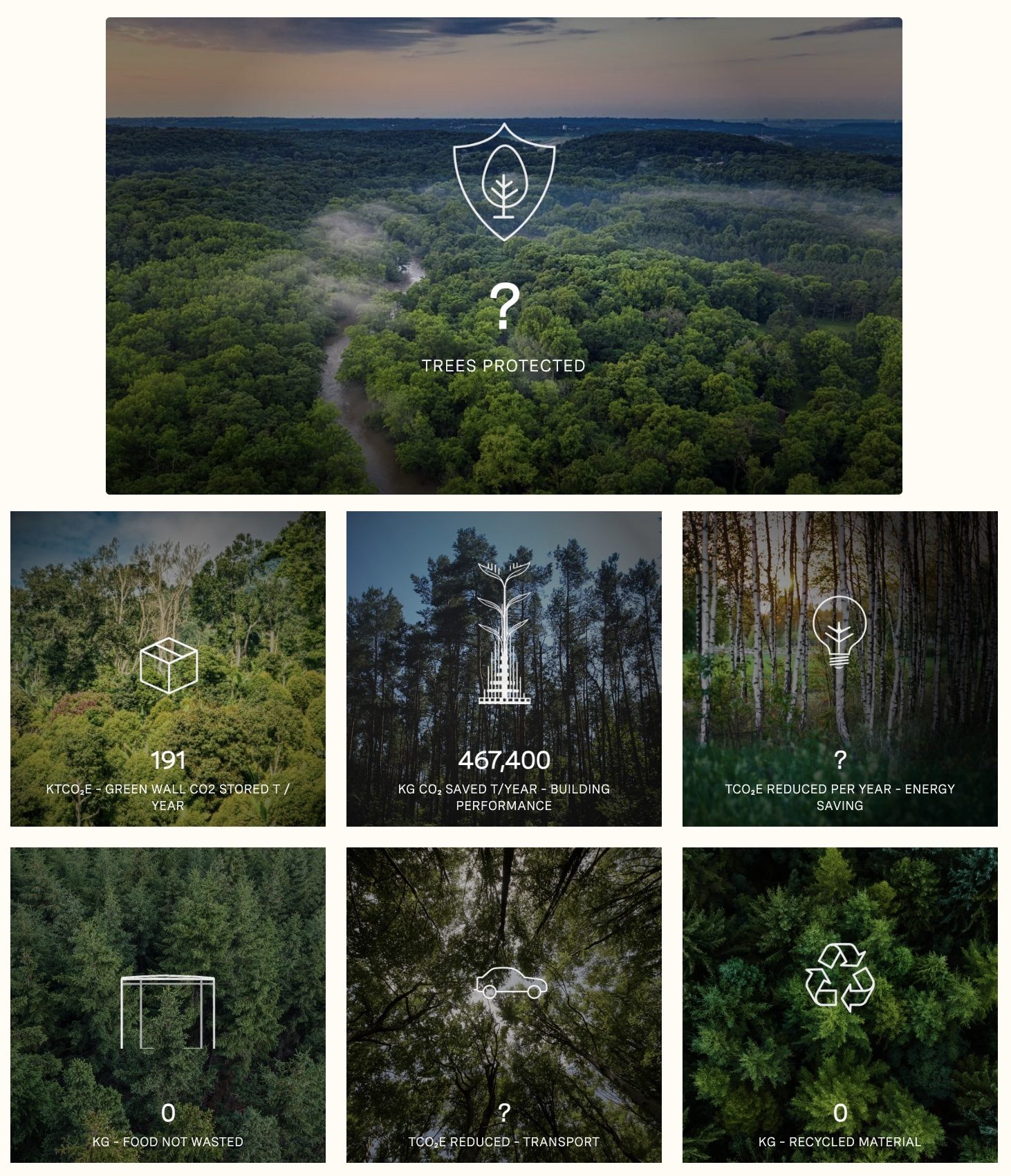
For every delegate at every TOGETHER event, £1 is contributed directly to environmental causes through OneTribe’s impact framework. It is built into the model, not offered as an optional add-on.
The contribution is not a carbon offset in the traditional sense. It is a direct investment into projects that create measurable environmental benefit, tracked and verified through OneTribe’s platform. Clients can see where the contribution goes and what it supports.
For a day event with 50 delegates, that is £50 going directly into environmental impact. For a 200-person conference, £200. Small amounts per person that, across a full year of events, add up to something that can actually be reported.
Why tracking matters more than claiming
The events industry has plenty of sustainability claims. BREEAM certifications on buildings, carbon neutral pledges, recycling programmes. These things matter. They are also, frequently, the extent of what venues can demonstrate.
The difference at TOGETHER is the data layer. 88 Wood Street is housed in a building with BREEAM Excellent certification, which covers the infrastructure. OneTribe covers the event. The building tells you about the baseline. The report tells you about what actually happened on the day you were there.
This distinction matters for two reasons.
First, it gives organisations something auditable. A policy statement that your events are sustainable is not auditable. A report showing the carbon footprint of a specific event, with a methodology that can be interrogated, is. As ESG reporting requirements tighten, the difference between the two will become more consequential.
Second, it changes behaviour. When organisations can see what their events actually generate, they start making different decisions. The venue location becomes a sustainability question, not just a logistics one. Catering choices become visible in the data. Travel incentives start to make financial sense. The report is not just a record of what happened. It is the starting point for doing it better next time.
What this means if you are planning events
If your organisation has sustainability commitments, your events should be generating data that supports them. The technology to do this exists. The question is whether the venues you are working with have built it in.
At TOGETHER, it is standard from the first booking. Not an upgrade. Not a premium add-on. Part of what every client receives after every event.
To find out more or to discuss an upcoming event, get in touch.
Related articles

Five things to ask a venue before you sign
Capacity, day rate, catering menus. These tell you whether a venue can accommodate your event. They do not tell you whether it is the right venue, or whether the people running it will make it work. Here are the five questions that get to what actually matters.

Why events go wrong at the handovers
Most events that fall apart do not fall apart because of the content. They fall apart at the transitions. From organiser to venue, from morning to afternoon, from the person who took the brief to the person running the day. These are handover failures.
What your impact report actually shows (the proof)
At TOGETHER, every event ends with something most clients have never received before: a clear picture of what the day actually cost the planet. Carbon generated, travel emissions, food footprint. A specific number, tied to a specific event, for a specific group of people.